Solo practitioners
Ready-made skills that save hours on routine work, so your time goes back to clients.
Claude tools for immigration practices
from an immigration lawyer who's done the work
The Resilient Practice Systems Library is a growing set of Claude skills and workflow kits for solo practitioners, small firms and nonprofits doing immigration work. I design each one around the human errors that come with high-volume, trauma-facing work, and build attorney review into every step.


Where the hours go
Most errors in an immigration practice don't come from not knowing the law. They come from a question skipped at intake, an outdated form edition, or a fee that changed last month. Change one step in the system and the whole pattern shifts.
Who it's for
Ready-made skills that save hours on routine work, so your time goes back to clients.
The same workflow for every person on your team, with written guides for staff who'd rather not learn new tech.
More capacity on a grant-funded budget, with 10% off every skill and kit.
How it works
Everything is written down, so you can set it up whenever your docket allows.
Download the free client resource kit and brand it as your own.
Buy a single skill, or a kit that covers one workflow from start to finish.
Each kit comes with a written guide and a checklist your staff can follow on their own.
You get any fixes or changes released in the 12 months after you buy. Every kit shows its last-reviewed date, and kits that involve USCIS forms remind your staff to confirm current forms, fees and filing addresses before relying on them.
Built-in safeguards
The usual worries about AI in a law practice are confidentiality, made-up answers, cost and staff comfort. Every product answers them directly.
Worried about AI in your practice? Read: Afraid of AI in your practice? Good. Here's what to do with that fear → [Substack essay link, posts Nov 29]
You can find free and general-purpose legal skills for Claude, and some are good. Try them. The kits in this library differ in three ways.
If a free skill already does what you need, use it.
About
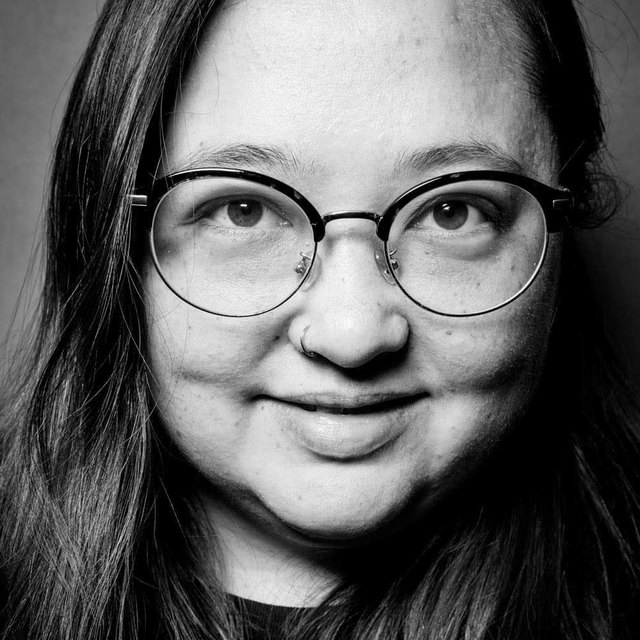
I started out representing immigrants and low-wage workers one case at a time: asylum, U and T visas, VAWA self-petitions, families trying to stay together. Over fifteen years, I moved from the case to the program. At numerous nonprofits, I led teams of attorneys and paralegals. Together we built pro bono workshop models, ran community lawyering strategies and delivered high-volume pro se support to migrants nationwide.
Along the way I kept seeing the same thing. Good advocates under heavy caseloads rarely fail for lack of skill. They get caught in handoffs, outdated checklists and systems never built for trauma-facing work. So I started teaching it, training advocates in trauma-informed, systems-based practice through the Resilient Advocates Collective, and now designing AI workflows for a law firm and the staff who'd rather not use them.
Resilient Practice Systems is where those threads meet. Every skill in the library is built the way I'd want my own team to work: careful with clients, honest about what a tool can and can't do, and steady on the busiest day. I'm an attorney licensed in New York and Texas, and I work in English and Spanish.
Resilient Advocacy
A new essay every two weeks on Substack about burnout, leverage points and building practices that last.